


KRET is carrying out advanced scientific research to create domestic versions of equipment previously purchased in the EU, Eastern Europe, and the United States.
KRET plans to invest over 24 billion rubles to achieve this objective, of which 18.3 billion rubles will be spent on developing replacements for products from NATO and EU countries, and 5.7 billion rubles to replace equipment and components from Ukrainian suppliers.
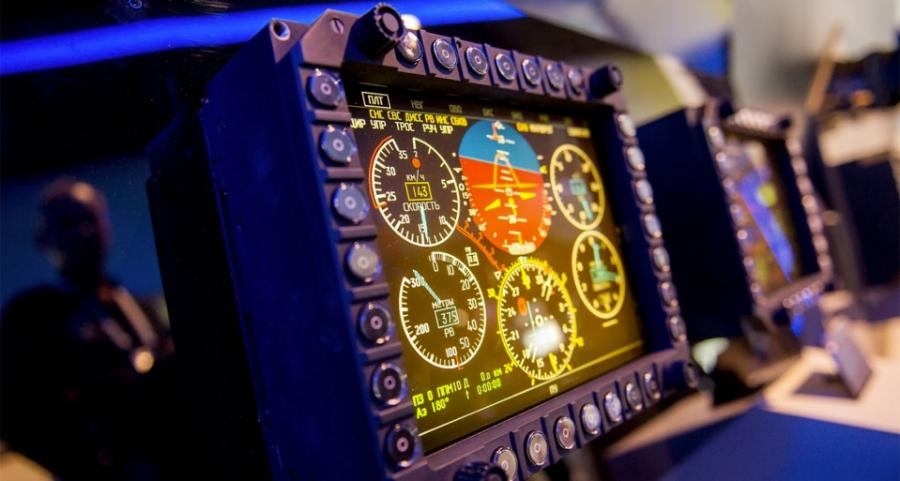
Last year KRET completed 311 research and development projects, including work on a laser defense system for helicopters and a system to detect and fight drones. Research and work on the modular avionics system amounted to more than 1.4 billion rubles. KRET’s total investment in R&D amounted to 13 billion rubles in 2014, or 13.2% of the company’s revenue. In comparison, the world's leading companies spend about 6% of their revenues on R&D.
According to the First Deputy CEO of KRET Igor Nasenkov, currently KRET has two primary objectives: ensuring the replacement of foreign components as part of the import substitution program and the timely execution of research and development projects to create fundamentally new products.
"Our goal is to achieve maximum synergy in carrying out these tasks for the efficient allocation of resources. In other words, where it is possible and appropriate within the framework of import substitution we will create not just replacements for foreign products, but fundamentally improve their characteristics. In addition, we are committed to the organization of scientific work so that developments for replacement equipment could be fully used in related areas,” he said.
The renewal of capacities for serial production is taking place alongside the development of new products. In 2014, KRET spent 22.9 billion rubles on the modernization of equipment. More than ten factories, research institutes, and scientific and industrial centers are undergoing modernization as part of federal programs. It is expected this will lead to a 5-6 time reduction in the complexity of manufacturing production by 2020.


